
HBOT might help remove “zombie cells” that contribute to aging.
As we age, our bodies accumulate damaged cells that have entered a unique biological state called senescence. These so-called “zombie cells” no longer divide or perform their original functions. Yet, they resist death and continue to secrete harmful inflammatory molecules contributing to aging and age-related diseases.
Recent research suggests that hyperbaric oxygen therapy (HBOT) may offer a promising approach to clearing these problematic cells, potentially slowing or even reversing aspects of the aging process.
Understanding Senescent Cells: The Zombie
Senescent cells are a natural part of the aging process, but their accumulation becomes problematic over time. These cells have stopped dividing due to damage from stress, toxins, or simply the passage of time, yet persist in tissues throughout the body. Unlike healthy cells, which eventually die through programmed cell death (apoptosis), senescent cells have developed survival mechanisms that allow them to persist indefinitely.
What makes these cells particularly harmful is their secretory behavior. They release a cocktail of inflammatory proteins, growth factors, and enzymes collectively known as the senescence-associated secretory phenotype (SASP). This toxic brew can damage surrounding healthy cells, promote chronic inflammation, and contribute to tissue dysfunction.
Mayo Clinic researchers note, “With age, cells can experience senescence, a state where they stop growing but continue releasing inflammatory and tissue-degrading molecules.” The consequences of senescent cell accumulation are far-reaching. These zombie cells are linked to numerous age-related conditions, including cardiovascular disease, diabetes, arthritis, and neurodegenerative disorders.
They can alter metabolism, compromise stem cell function, and promote cancer development. In young individuals, the immune system efficiently recognizes and eliminates senescent cells, but this clearance mechanism becomes less effective with age, allowing these problematic cells to accumulate in increasing numbers.
The Promise of Hyperbaric Oxygen Therapy
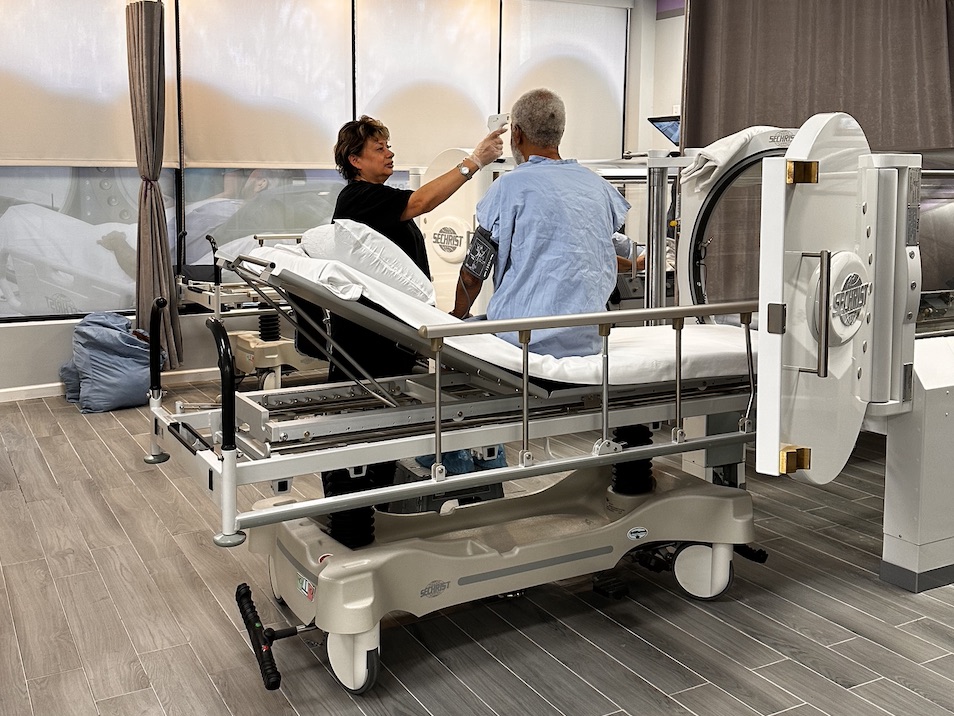
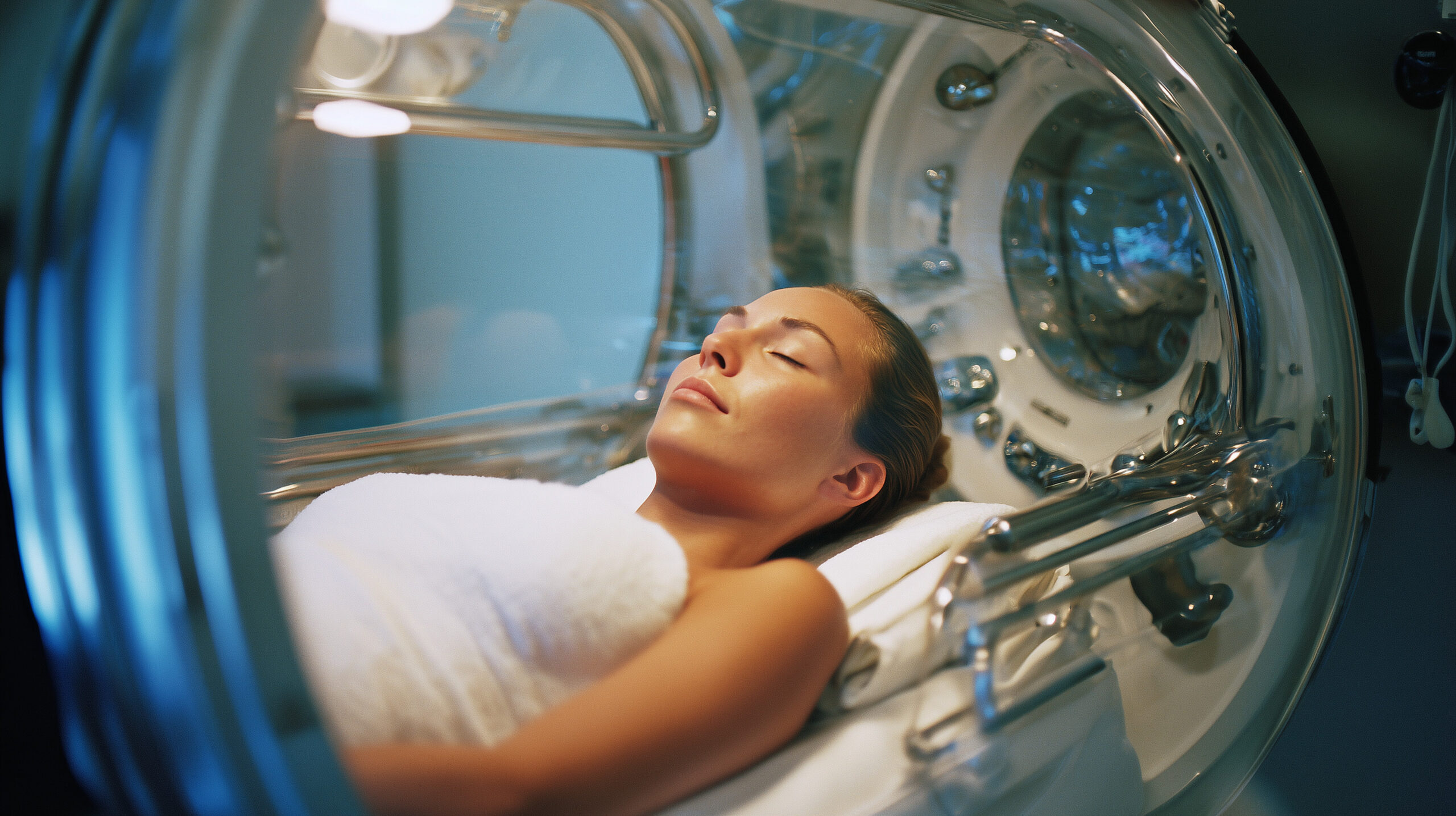
Hyperbaric oxygen therapy involves breathing pure oxygen in a pressurized chamber, typically at pressures 2-3 times higher than normal atmospheric pressure. This treatment has been used for decades to treat conditions such as decompression sickness, carbon monoxide poisoning, and non-healing wounds.
However, emerging research suggests that HBOT may have broader applications, particularly in addressing cellular aging and senescence. The mechanism by which HBOT affects senescent cells is still being investigated. Still, researchers believe the treatment works by enhancing cellular oxygen availability and triggering various biological pathways involved in cellular repair and regeneration.
The high-pressure oxygen environment may help restore normal cellular function, promote the elimination of damaged cells, and support healthy tissue growth.
Groundbreaking Research Findings
Recent clinical studies have provided compelling evidence that HBOT can effectively reduce human senescent cell populations. A landmark study published in the journal Aging examined the effects of HBOT on blood cells from healthy aging adults. The results were remarkable: “T-cytotoxic senescent cell percentages decreased significantly by -10.96%±12.59 (p=0.0004) post-HBOT.”
This study involved 35 healthy adults aged 64 and older who underwent 60 HBOT sessions over three months. The treatment reduced senescent cell populations and had positive effects on telomeres—the protective caps on chromosomes that shorten with age.
The research revealed that telomere length increased by over 20% in various immune cell types, with B cells exhibiting the most significant improvement. Additional research has extended these findings to include skin tissue.
Another study focusing on skin aging found that “HBOT can significantly modulate the pathophysiology of skin aging in a healthy aging population. The demonstrated mechanisms include angiogenesis and senescent cell clearance.”
This research suggests that HBOT’s benefits extend to multiple tissue types throughout the body. The clinical implications of these findings are significant. HBOT’s ability to reduce senescent cell populations while simultaneously lengthening telomeres suggests that it may address aging at its most fundamental cellular level.
Some researchers have described the results as evidence of “aging in reverse” at the cellular level. However, more research is needed to fully understand the long-term implications of these changes.
Mechanisms and Future Directions Using HBOT
While the exact mechanisms by which HBOT clears senescent cells remain under investigation, several theories have emerged. The high-pressure oxygen environment may enhance mitochondrial function, improve cellular energy production, and activate pathways involved in autophagy—the cellular process by which damaged components are recycled or eliminated.
The treatment may also boost immune system function, helping the body’s natural senescent cell clearance mechanisms work more effectively. Current research suggests that HBOT protocols typically involve multiple sessions over several weeks or months to achieve optimal results.
Studies showing senescent cell clearance have generally used protocols involving 60 sessions of 90 minutes each, with participants breathing 100% oxygen at 2 atmospheres of pressure. However, researchers are still working to optimize treatment protocols and determine the most effective dosing strategies. The field of senolytic therapy—treatments designed to eliminate senescent cells—is rapidly evolving.
While pharmaceutical approaches to targeting zombie cells are also being developed, HBOT offers a non-invasive treatment option that appears to work through natural biological mechanisms. Unlike some experimental senolytic drugs that may have significant side effects, HBOT has a well-established safety profile when administered properly.
Implications for Healthy Aging
The potential of HBOT to clear senescent cells represents a significant advancement in our understanding of aging and therapeutic interventions. HBOT could become a valuable tool in pursuing healthy aging and longevity, especially if these findings continue to be validated in larger, longer-term studies.
However, it’s essential to approach these findings with appropriate scientific caution. While the initial results are promising, more research is needed to understand the long-term effects of senescent cell clearance through HBOT, optimal treatment protocols, and which populations might benefit most from this therapy.
Additionally, the cost and accessibility of HBOT treatments may limit their widespread adoption. The research into HBOT and senescent cell clearance represents a broader shift in aging research. This research taragets the fundamental biological processes that drive aging, rather than treating age-related diseases after they develop.
As our understanding of cellular senescence and its role in aging continues to evolve, treatments like HBOT may be increasingly important in promoting healthspan and longevity.
The promise of clearing zombie cells and potentially reversing aspects of cellular aging through a well-established medical treatment plan offers hope for healthier aging. While we await further research to validate these findings fully, the current evidence suggests that HBOT may help remove the senescent cells that contribute to aging. By using HBOT, we can employ a new weapon against time’s effects on our bodies.
___________________________________________________________________________
1659 Ralph Ave., Brooklyn, NY 11236
phone 718-255-9955
fax 718-228-3772
___________________________________________________________________________
References
- Hachmo, Y., Hadanny, A., Mendelovic, S., Hillman, P., Shapira, E., Landau, G., … & Efrati, S. (2020). Hyperbaric oxygen therapy increases telomere length and decreases immunosenescence in isolated blood cells: a prospective trial. Aging, 12(22), 22445-22456. https://www.aging-us.com/article/202188/text
- Yaniv Hachmo, A., Hadanny, A., Abu Hamed, R., Daniel-Kotovsky, M., Catalogna, M., Fishlev, G., … & Efrati, S. (2021). The effect of hyperbaric oxygen therapy on the pathophysiology of skin aging: a prospective clinical trial. Aging, 13(24), 24754-24781. https://pmc.ncbi.nlm.nih.gov/articles/PMC8660605/
- Mayo Clinic News Network. (2024, July 12). Health and zombie cells in aging. https://newsnetwork.mayoclinic.org/discussion/health-and-zombie-cells-in-aging/
- Daponte, A., Dhillon, H., & Goukassian, D. A. (2024). Hyperbaric oxygen therapy: future prospects in regenerative therapy and anti-aging. Frontiers in Aging, 5, 1368982. https://www.frontiersin.org/journals/aging/articles/10.3389/fragi.2024.1368982/full